

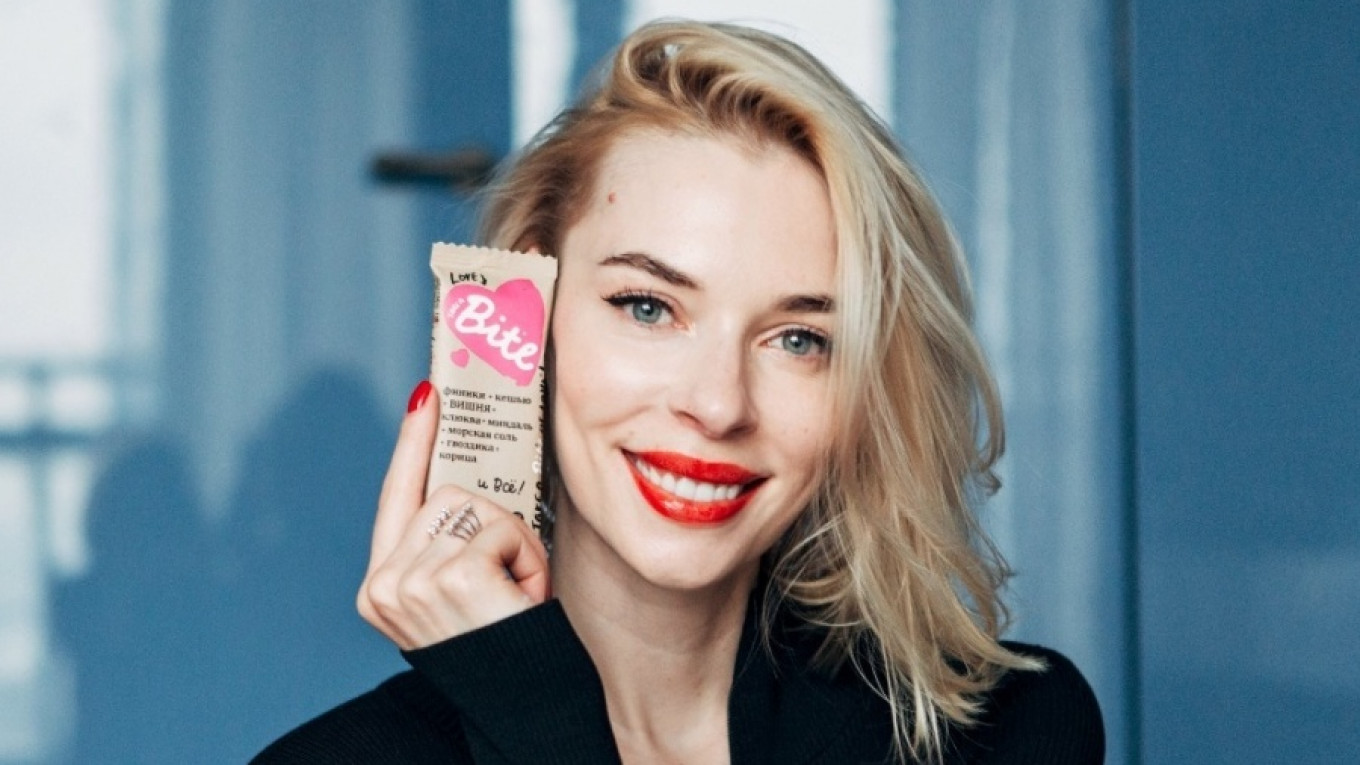
Russians have been binging on health food in an effort to build up their immune systems in the hope of protecting themselves from the coronavirus.
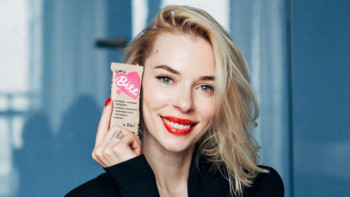
That’s how Elena Shifrina, former model, Massachusetts Institute of Technology (MIT) alumnus and now CEO of Russia’s premier health food company BioFoodLab explains the surge in sales this year.
bne IntelliNews profiled Shifrina three years ago when BioFoodsLab was just getting going and within two years, the Russian edition of Forbes magazine had already named the firm one of most successful startups of the year. BioFoodLab, and its leading brand Bite, have come a long way since then.
Today BioFoodLab sells over 100 different products through most of the country’s leading supermarkets and is turning over 1.5 billion rubles ($20 million) a year, with revenues still growing before they shot up around 40% this year due to the pandemic.
The company has set up a research and development (R&D) arm and is constantly looking for new product lines, recently getting into meat and milk alternatives, which have been very successful. And partly thanks to what Shifrina says is the high quality of its product as well as the devaluation of the ruble, some 10% is now exported to nearby countries in the EU.
Shifrina says that BioFoodLab has many years of strong growth left in it, but eventually her goal is to launch on the stock market with an initial public offering (IPO). It is another example of the emergence of a light manufacturing industry in Russia that is being driven by the enormous size of the Russian consumer market and the fall in the value of the ruble in recent years that has made local production ever more competitive against imports from both east and west.
BioFoodLab began by producing healthy snack bars. The idea came to Shifrina in an MIT canteen, where she did a short stint as an exchange student in 2011.
“We were so busy that we had no time to eat, so we used to fill up on snack bars, but we didn't want those filled with sugar. We were looking for something that was quick and easy to eat, but at the same time good for you,” Shifrina told bne IntelliNews in a video interview from her home in Moscow.
The business grew strongly from the start. Contrary to a Russian stereotype, Russians are very concerned with the quality of their food, putting a premium on “natural” produce — a tradition instilled by generations of kitchen-gardens at countryside dachas.
The coronavirus crisis has been a boon for BioFoodLab, which pushed sales volumes up by 40-45% a month over the summer, according to Shifrina.
“People want food that supports the immune system and we can legally put on our packaging that our products are ‘healthy,’ as they contain no sugar or preservatives, but they do contain a lot of vitamins,” says Shifrina.