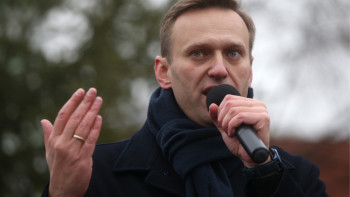


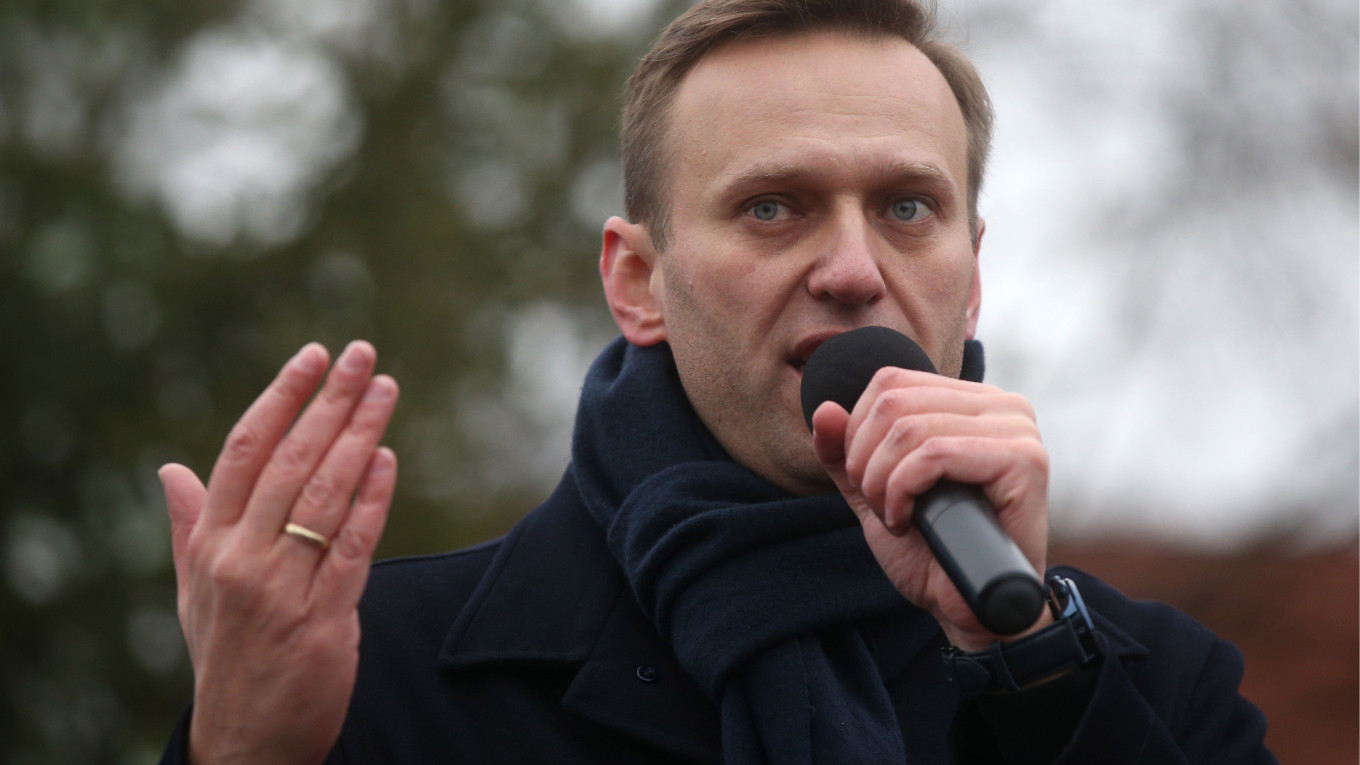
Russian opposition leader Alexei Navalny's sudden death in prison drew no response from the Kremlin on Saturday, despite mounting accusations from the West that it was responsible.
The 47-year-old spent three years behind bars in increasingly deteriorating conditions before prison authorities abruptly announced Friday he "felt bad after a walk" and died.
His death deprives Russia's opposition of its figurehead just a month before elections poised to extend President Vladimir Putin's grip on power, and comes as authorities wage an unprecedented crackdown on dissent.
After angrily pushing back at accusations they were to blame, authorities made little to no mention of his death on Saturday, as the chorus of condemnation grew from the West.
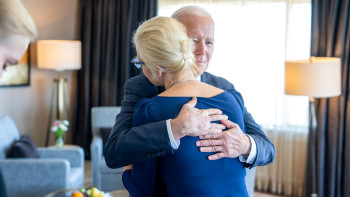
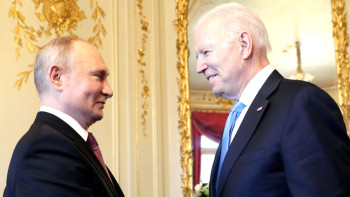
"Make no mistake, Putin is responsible for Navalny's death," U.S. President Joe Biden said on Friday, echoing the views of other leaders who pointed the finger at the Kremlin.
Australia's Foreign Minister Penny Wong on Saturday said Navalny's "heroic opposition to Putin's repressive and unjust regime inspired the world."
"We hold the Russian Government solely responsible for his treatment and death in prison," Wong posted on X, formerly Twitter.
Russian Nobel Peace Prize winner Dmitry Muratov said Navalny's death was "murder" and that he was "tortured and tormented" for all of the three years he spent in prison.
Makeshift memorials and small gatherings in memory of the deceased leader were swiftly suppressed by Russian police, who detained at least 100 people.
A group of people in plain clothes were seen removing flowers from a monument in Moscow's Lubyanka Square overnight, as police looked on in silence, social media footage showed.
Navalny's death was announced by Russia's federal penitentiary service, which said he lost consciousness after a walk.
Russian news agencies reported that medics from a local hospital arrived within minutes and spent more than "half an hour" trying to resuscitate him.
Navalny's wife, Yulia Navalnaya, said she held Putin personally responsible and called on the international community to "unite and defeat this evil, terrifying regime."
Navalny was Russia's most prominent opposition leader and garnered a huge following as he campaigned against corruption under Putin.
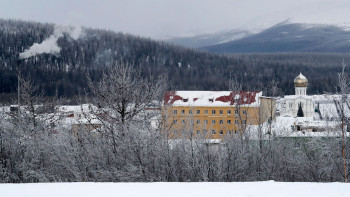
Putin — who famously never referred to Navalny by name — was on a visit to the Urals on Friday and made no mention of the death.
Kremlin spokesman Dmitry Peskov accused Western leaders on Friday of "absolutely unacceptable" and "hysterical" reactions to Navalny's death.
Moscow authorities also warned the public against taking part in any protests, as videos shared online showed dozens of Russians laying flowers at monuments to victims of political repression in different Russian cities.
At least one person was detained for holding up a placard that appeared to say "murderers" in a video posted by the independent Sota Telegram channel.
As of Feb. 17, "more than 110 people" had already been detained in 10 cities, including 11 in the capital Moscow, the OVD-Info rights group said on its website.
One of Navalny's lawyers, Leonid Solovyov, told the Novaya Gazeta newspaper that he was "normal" when another lawyer saw him on Wednesday.
In footage of a court hearing from his prison colony on Thursday, Navalny was seen smiling and joking as he addressed the judge by video link. State media reported he raised no health complaints during the session.
Speaking at the Munich Security Conference hours after news of her husband's death, Yulia Navalnaya said Putin and his entourage would be "punished for everything they have done to our country, to my family and to my husband."